Introduction
So you've decided it's time to credit card apply, maybe for the rewards, maybe for the convenience, or maybe because you're tired of carrying cash everywhere. Whatever the reason, walking into this decision blind is a bit like showing up to an exam without knowing the syllabus. A little preparation upfront genuinely changes how smoothly the entire process goes.
This guide walks through exactly what happens when you credit card apply, what banks actually check, and a few practical tips that can meaningfully improve your approval odds.
What Actually Happens When You Credit Card Apply
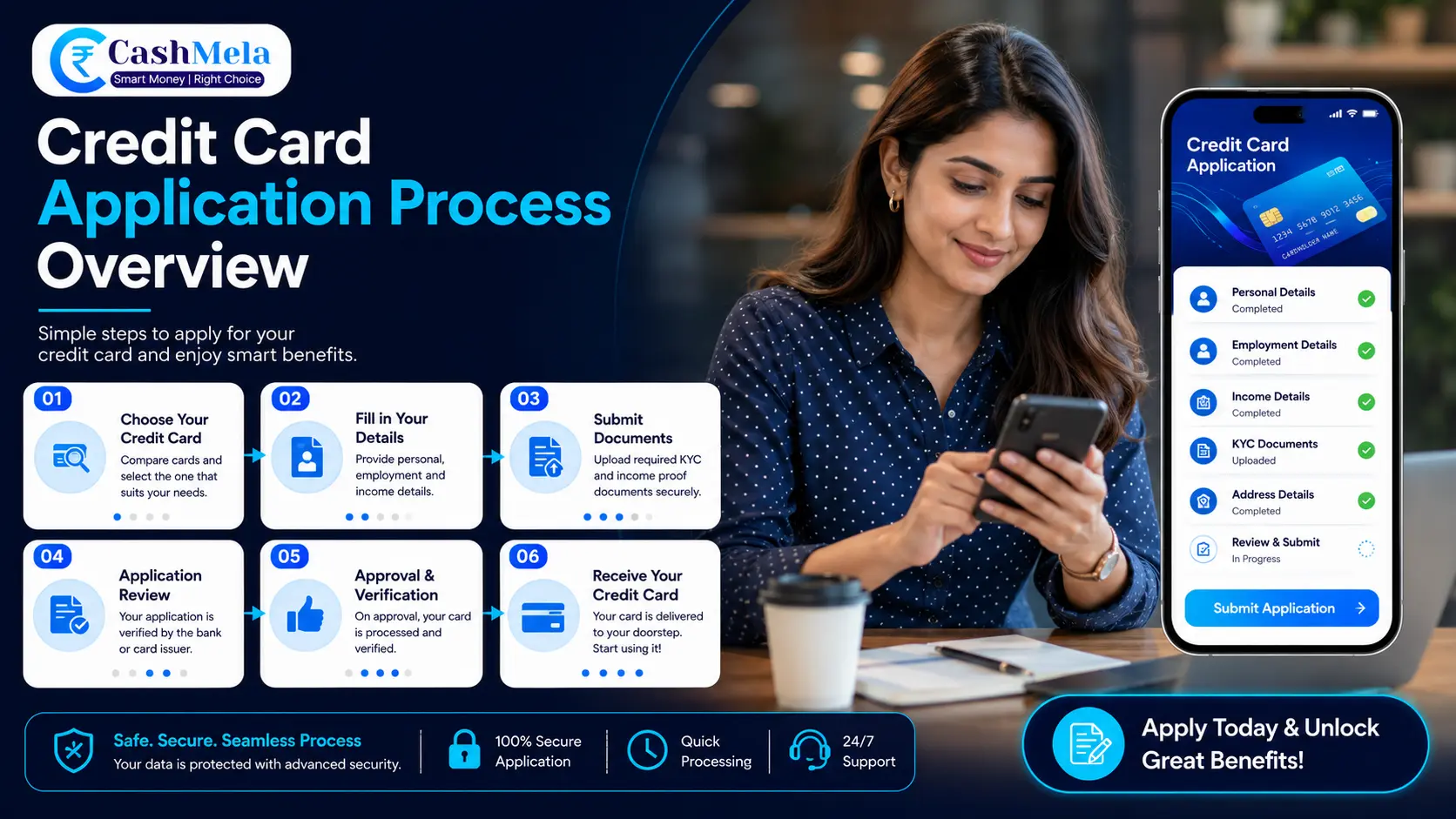
Here's the thing most first-time applicants don't realize: the moment you submit your application, a fairly structured process kicks in behind the scenes, not some mysterious black box decision.
The Basic Flow
- Bureau check: Your application triggers a credit bureau check, pulling your CIBIL or equivalent score
- Income & employment verification: The bank cross-verifies your income and employment details against your submitted documents
- Risk evaluation: An internal risk algorithm weighs your profile against the specific card's approval criteria
- Final decision: You receive a decision, sometimes instantly, sometimes after a few days of manual review
Change any one factor in your profile, a higher income, a cleaner repayment history, and the outcome can shift meaningfully. That's why two people with seemingly similar salaries sometimes get very different results.
Who Should Actually Credit Card Apply Right Now
Is timing something people actually think about before they credit card apply? Rarely, but it genuinely matters.
Take Vikram's story as an example. He wanted to apply for a premium travel card right after switching jobs, eager to start earning miles for an upcoming trip. His application got rejected, not because he wasn't creditworthy, but because banks typically want to see at least three to six months of stable income at a new employer before approving a premium product. He waited four months, reapplied with a stronger income trail, and got approved without issue.
Good Times to Apply
- After a few months of stable income at your current job
- Once your credit score has crossed 700, ideally
- When your existing credit utilization is comfortably low
- After clearing any small overdue payments sitting on your report
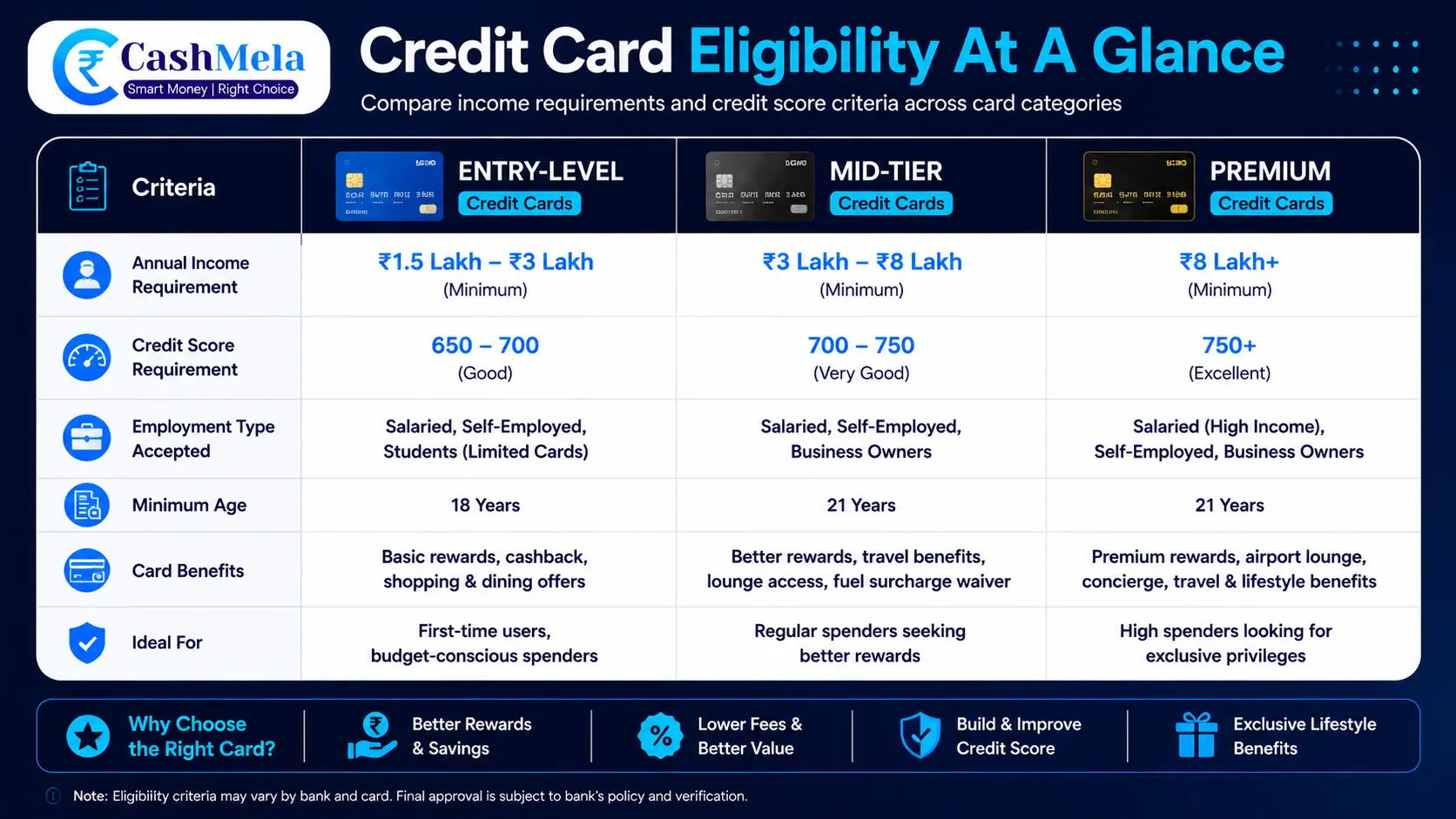
Eligibility at a Glance
| Card Tier | Typical Income Requirement | Credit Score Needed |
|---|---|---|
| Entry-level | ₹ 15,000 to ₹ 25,000/month | 650+ |
| Mid-tier rewards | ₹ 25,000 to ₹ 50,000/month | 700+ |
| Premium/travel | ₹ 75,000+/month | 750+ |
How to Credit Card Apply Without Hurting Your Credit Score
Every application triggers a hard inquiry on your credit report, and here's a rhetorical question worth asking yourself: is applying to five banks at once really the smart move it feels like? Almost never.
Smarter Habits to Follow
- Check your pre-approved offers first, many banks show these directly in their app or net banking portal
- Space out applications by at least a few months if your first attempt gets rejected
- Use an eligibility calculator before applying, rather than after getting rejected
- Read the fine print on annual fees and reward structures before committing
Documents You'll Need Ready Before You Apply
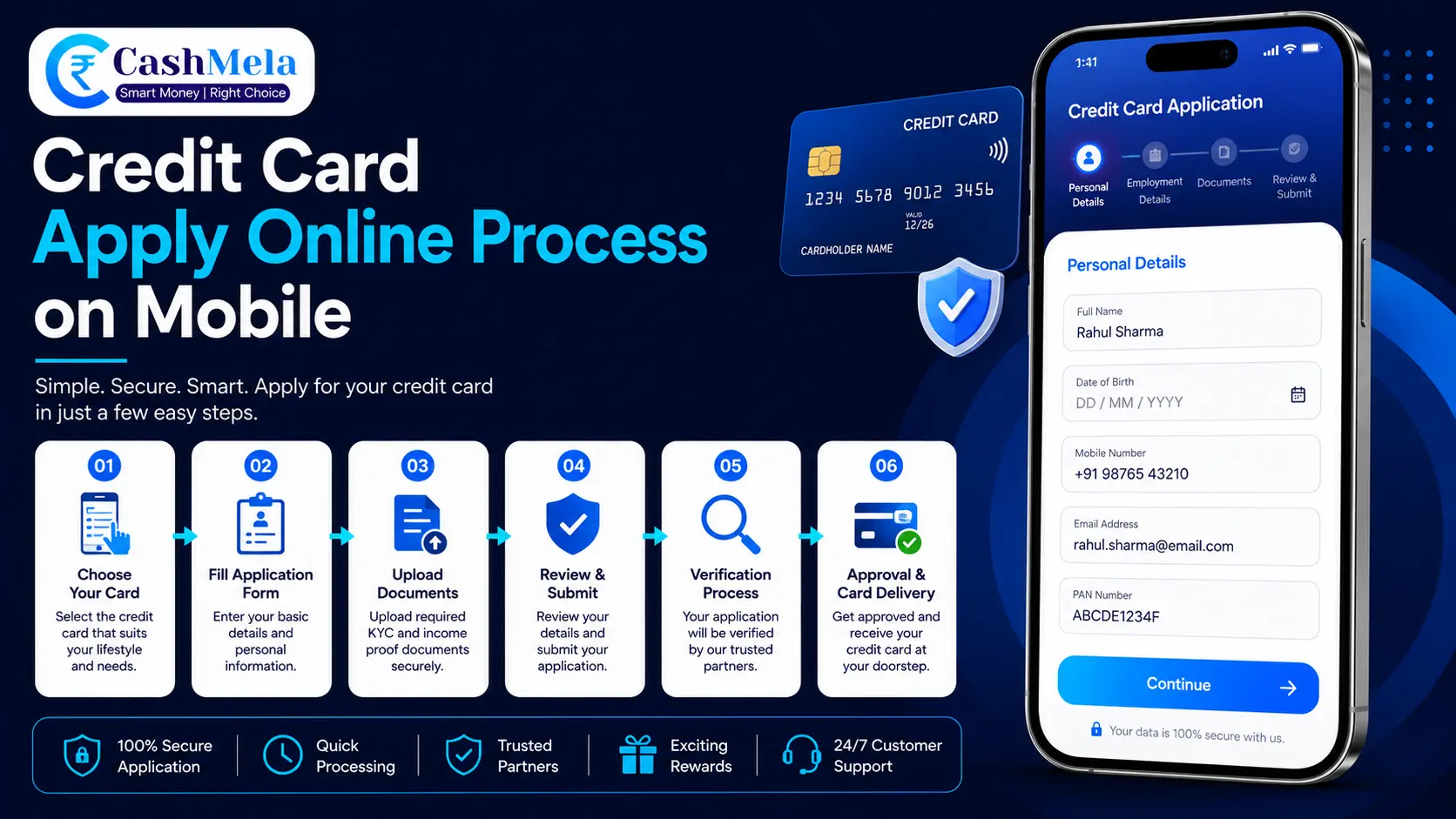
Nobody wants to be scrambling for paperwork mid-application. Keep PAN card, Aadhaar card, recent salary slips or ITR for self-employed applicants, and a passport-sized photo ready before you start. Having digital copies scanned in advance turns what could be a twenty-minute hassle into a five-minute formality.
Common Mistakes People Make When They Credit Card Apply
A few avoidable habits quietly hurt otherwise strong applicants. Applying for a premium card straight out of college, before building any credit history, almost always ends in rejection, start with an entry-level or secured card instead and upgrade later. Leaving fields incomplete or mismatched between your form and your actual documents is another common cause of delay, double-check everything before hitting submit.
It's also worth resisting the urge to apply the moment you see an attractive welcome offer without checking whether you'd actually qualify. A rushed credit card apply attempt that ends in rejection does more damage to your credit profile than simply waiting two extra weeks to strengthen your application first would have.

Frequently Asked Questions
Q1: How long does it take to credit card apply and get approved?
A: Digital applications with clean documentation are often approved within minutes to a few hours. Applications requiring manual verification can take anywhere from a few days to about two weeks.
Q2: Does applying for a credit card hurt my credit score?
A: A single application causes a small, temporary dip due to the hard inquiry. Applying to multiple banks within a short window can lower your score more noticeably, so space out attempts if possible.
Q3: Can I apply without a credit history at all?
A: Yes, entry-level and secured credit cards are designed specifically for first-time applicants with no prior credit history, often requiring a fixed deposit as security.
Q4: What's the minimum income needed to apply for a credit card?
A: This varies by card tier, but entry-level cards often start around ₹ 15,000 to ₹ 25,000 per month, while premium cards typically require significantly higher income.
Q5: Should I check my eligibility before I formally apply?
A: Absolutely. Using a free eligibility calculator beforehand helps you avoid an unnecessary rejection and the credit score dip that comes with it.
Conclusion
Deciding to credit card apply doesn't have to feel like a gamble. Check your eligibility honestly, keep your documents ready, and pick a card that actually matches your spending habits rather than chasing the flashiest rewards program. A little preparation now saves you an unnecessary rejection later, and gets you using your new card sooner.
Ready to get started? Check your eligibility and apply now to find the credit card that genuinely fits you.
Stay Informed, Stay Ahead!
Follow Cashmela on social media for more practical finance guides, loan tips, and the latest updates:
- 💰 Instagram: @cashmela_com – Simple finance tips and real borrower stories
- 👍 Facebook: Cashmela – Join the conversation and never miss an update
- 🐦 X: @cash_mela – Quick updates and finance news
- 💼 LinkedIn: Cashmela – Industry insights and company updates
✨ Let's make smarter borrowing simple, together!

Adil Patel
Founder & Chief Executive OfficerAuthor & Financial Analyst at CashMela.com
Adil Patel is the Founder of Cashmela.com. With over a decade of deep domain expertise across Indian banking, debt restructuring, and digital lending, Adil established Cashmela to liberate Indian borrowers from predatory credit card interest traps and opaque multi-EMI debt burdens. Under his leadership, Cashmela has helped over 50,000 borrowers consolidate EMIs into single, transparent, and affordable repayment plans.