Introduction
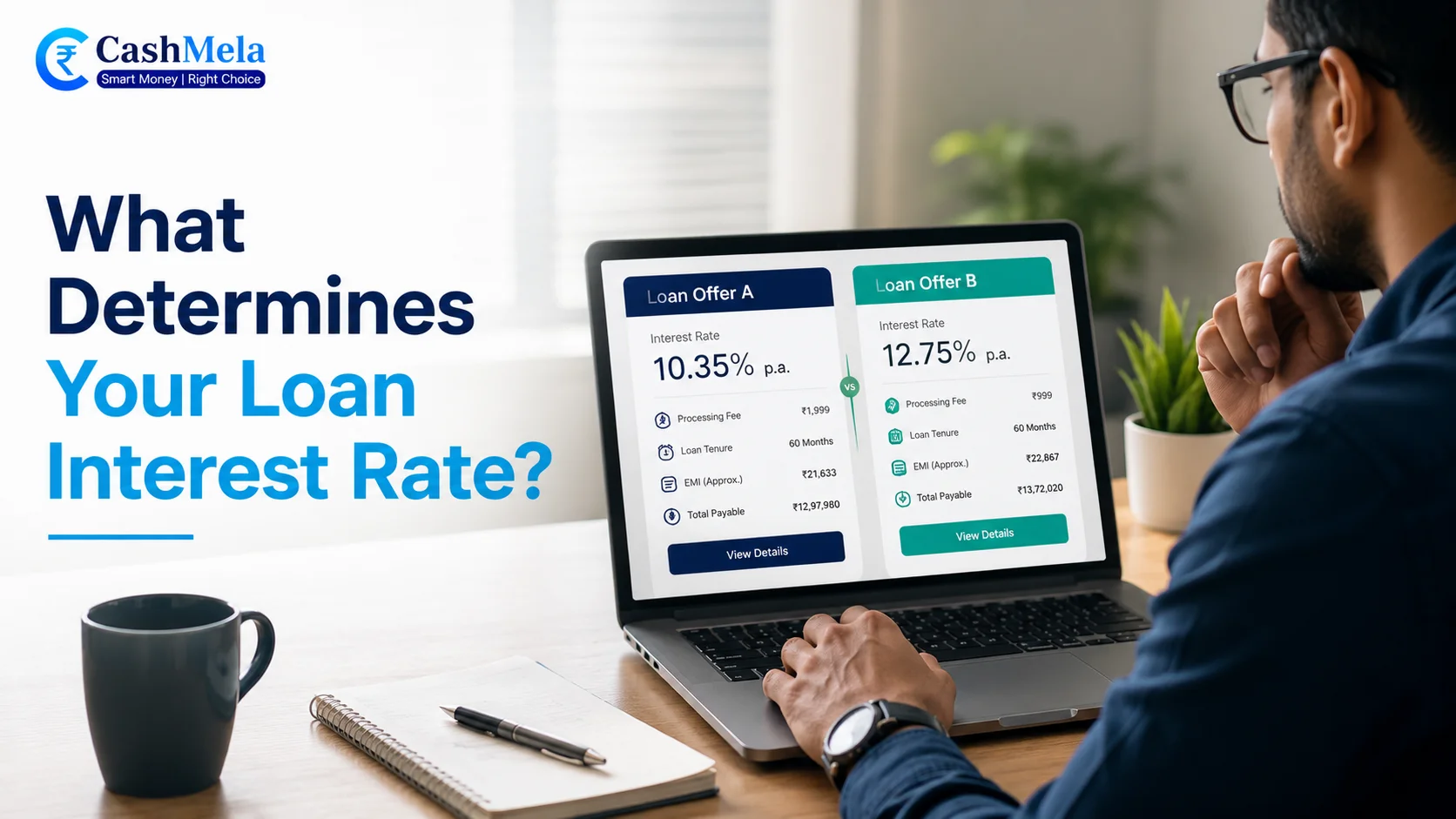
Two people with the same income can walk into the same bank and walk out with two completely different personal loan interest rate offers. That's not random, and it's not favoritism either.
Lenders run a fairly consistent set of checks behind the scenes, and once you understand what those checks are, the number you're quoted stops feeling like a mystery and starts feeling like something you can actually influence. This guide walks through what shapes your rate, how to read an offer properly, and a few practical moves that can genuinely bring your number down before you sign anything.
What Actually Shapes Your Personal Loan Interest Rate
Lenders don't pull a number out of thin air. They weigh a handful of factors together, and each one nudges your final rate up or down:
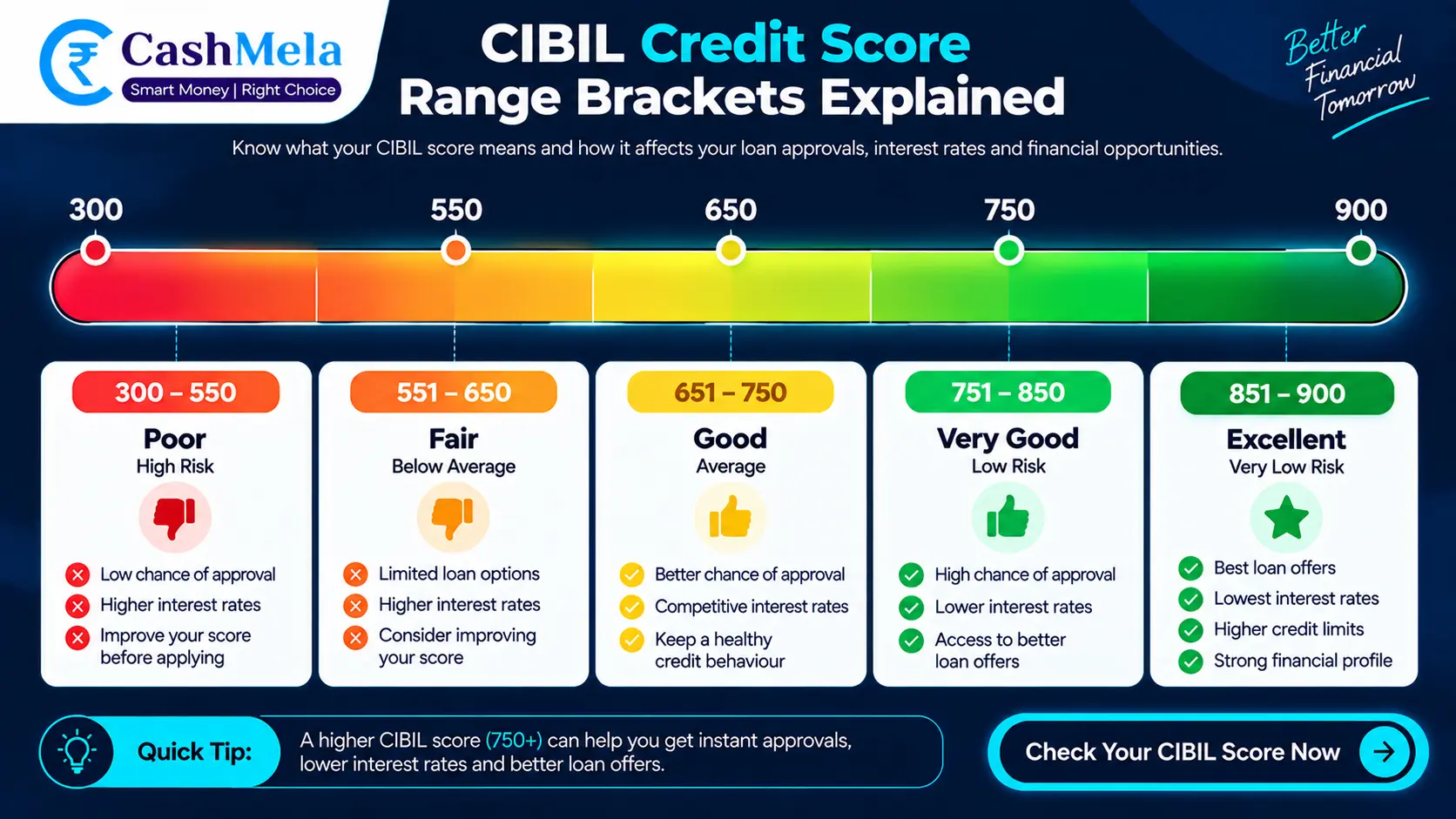
- Credit Score: Your credit score carries the most weight, since it's the clearest signal of how reliably you've repaid debt in the past.
- Income Stability: Income stability matters almost as much—a steady salaried income generally reads as lower risk than fluctuating self-employed earnings, even when the actual annual figures are similar.
- Existing Debt Obligations: A lender calculating your loan eligibility also looks at how much of your income is already committed to other EMIs, and a heavier existing load usually pushes your offered rate upward, since it signals less room for one more monthly obligation.
- Loan Tenure and Amount: Longer tenures and larger amounts sometimes carry a slightly different rate than shorter, smaller ones, depending on the lender's own risk models.
- Employer Sector: Lenders often maintain informal internal lists of employers or industries they consider lower risk, typically large, established companies or government bodies, and applicants from these categories sometimes see marginally better offers than someone with an identical income at a smaller or newer organization. This isn't published anywhere, but it's worth knowing it exists as a factor in the background.
| Factor | How It Typically Affects Your Rate |
|---|---|
| Credit score | Higher score generally means a lower rate |
| Income type and stability | Steady salaried income often reads as lower risk |
| Existing EMIs | More existing debt tends to push the rate up |
| Loan tenure | Can shift the rate slightly depending on lender policy |
| Relationship with lender | Existing customers sometimes get preferential pricing |
How to Read Your Loan Offer Correctly
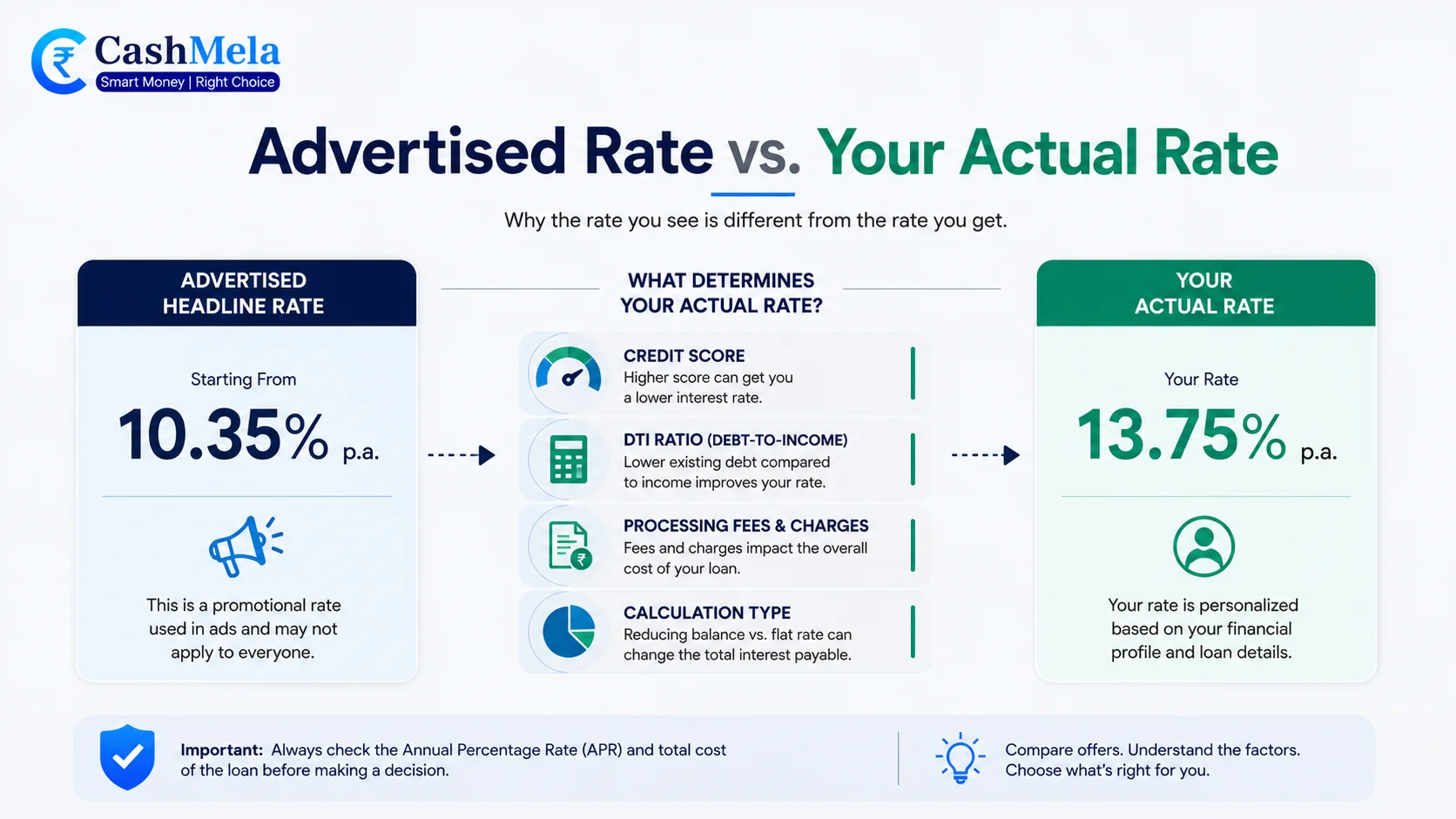
The number a lender quotes isn't always the full story. Many offers are advertised as "starting from" a certain rate, which usually applies only to applicants with the strongest possible profiles. It's worth asking directly what rate you personally qualify for, rather than assuming the advertised headline figure applies to you.
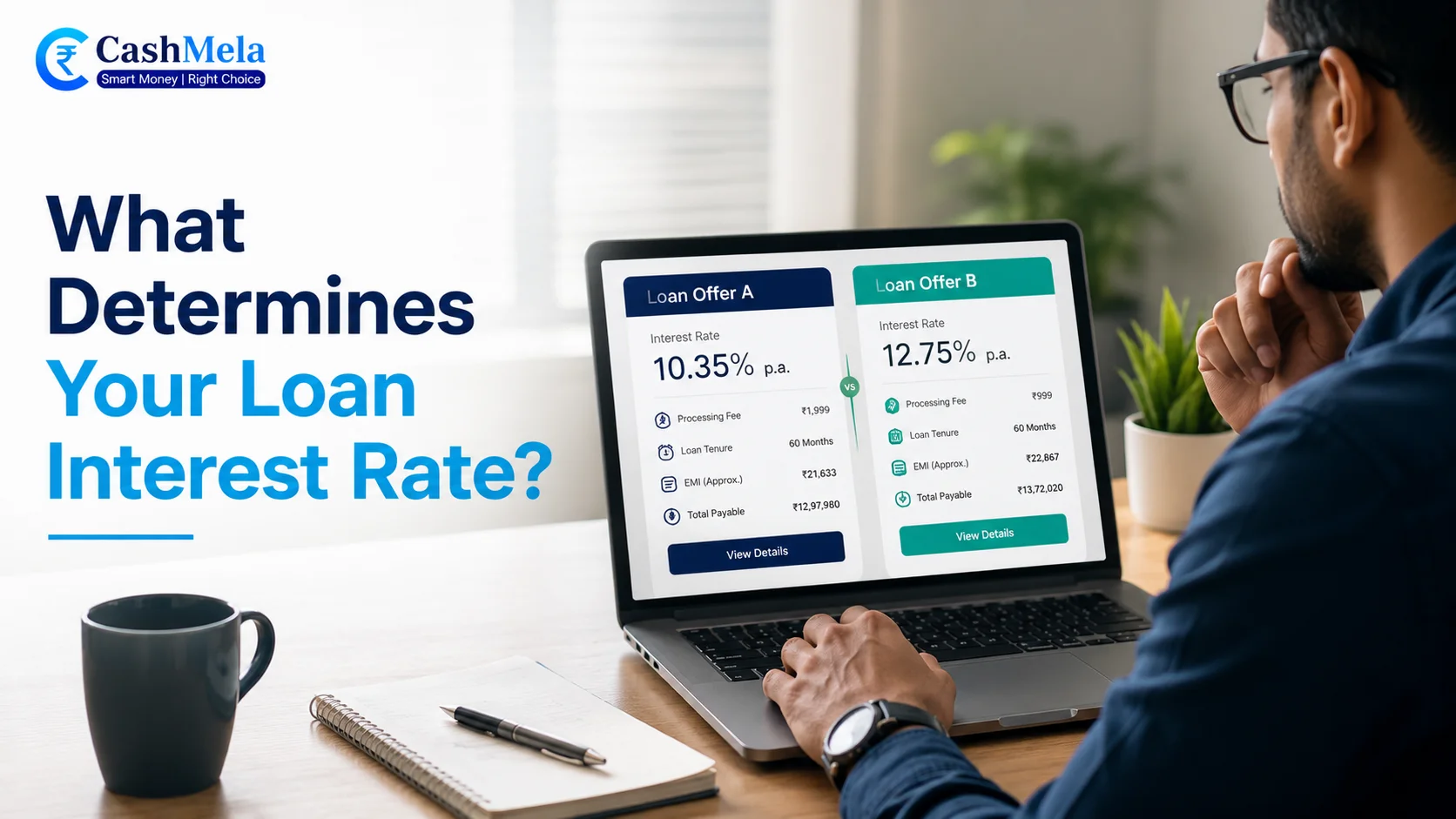
It also helps to separate the interest rate from the annual percentage rate, or APR, if the lender provides one. APR folds in processing fees and other charges alongside interest, giving you a more complete picture of what the loan actually costs over its full tenure, something the interest rate alone doesn't capture.
Reading the fine print on how interest gets calculated matters just as much as the headline percentage. Reducing-balance calculation, where interest is charged only on your outstanding principal, works out considerably cheaper over time than a flat-rate calculation charging interest on the original amount throughout the tenure, even when both are advertised at what looks like the same rate. Asking your lender directly which method applies is a simple question that can meaningfully change your actual cost of borrowing.
Why Your Rate Can Differ Between Lenders
Two lenders looking at the exact same applicant can still land on different numbers, because each one weighs the same factors slightly differently based on their own risk appetite and current lending targets. A bank trying to grow its personal loan book aggressively in a given quarter might offer sharper rates than usual, while another tightening its lending standards might quote higher rates for the same applicant profile.
This is exactly why comparing offers from two or three lenders before committing isn't just a nice-to-have step; it's often the single easiest way to meaningfully lower what you end up paying, without changing anything about your actual credit profile.
It's also worth checking in with your own bank before shopping around externally, since existing customers with a solid track record are sometimes eligible for preferential terms that never appear on public rate cards. A quick conversation with your relationship manager, if you have one, or even a call to customer service, occasionally surfaces an offer better than anything advertised online.
What You Can Actually Do to Get a Better Personal Loan Interest Rate
A few concrete steps tend to make a real difference:
- Pay Down Card Balances: Paying down existing credit card balances before applying lowers your credit utilization, which can nudge your score up within a few weeks.
- Clear Pending Dues: Clearing any old overdue payments, even small ones, removes a red flag that lenders specifically look for during underwriting.
- Time Your Application Right: Applying when your income has recently increased, say after a raise or a new higher-paying role, and you can document it, often puts you in a stronger negotiating position than applying right after a period of financial strain.
- Ask for a Rate Match: Simply asking your existing bank for a rate match against a competing offer costs nothing and works more often than people expect, especially if you've maintained a clean repayment history with them.
- Opt for a Shorter Tenure or Auto-Debit: Opting for a shorter tenure, if your monthly budget genuinely allows for it, sometimes unlocks a marginally better rate than a longer one, since it reduces the lender's exposure over time. Similarly, offering to set up auto-debit for your EMI, if it isn't already a default requirement, occasionally signals lower repayment risk in a way that nudges the offer slightly in your favor.
None of these moves guarantee a dramatically different number on their own, but stacked together, they can add up to a genuinely better deal than what you'd get by simply accepting the first offer presented to you.
Sometimes the smartest move isn't applying right away—it's waiting a short while to strengthen your position first. If your credit score has recently taken a small hit from a missed payment or high card utilization, giving it two or three months to recover before applying can genuinely change the offers you see, since even a modest score improvement often shifts you into a better pricing bracket. The same logic applies if you know a salary increment or a more stable income source is coming soon but hasn't kicked in yet. Lenders generally price based on your current documented income, not future potential, so applying after that change is reflected in your bank statements or payslips usually works out better than applying just before it. Patience, in this specific context, is a genuinely practical financial strategy rather than just cautious advice.
Frequently Asked Questions (FAQs)
Q1: What credit score gets the best rate on a loan like this?
A: Scores above 750 typically unlock the most competitive rates, though approvals still happen in the 650 to 750 range at a somewhat higher cost.
Q2: Does applying to multiple lenders hurt my chances of a good rate?
A: A few comparisons within a short window is generally fine, but too many applications spread out over weeks can lower your score and work against you.
Q3: Is a lower interest rate always the cheaper option overall?
A: Not necessarily. A lower rate paired with higher processing fees can sometimes cost more than a slightly higher rate with minimal fees, so it's worth comparing the full cost, not just the headline number.
Q4: Can I negotiate my rate after approval?
A: It's uncommon once the loan is disbursed, but before signing, many lenders will reconsider your offer if you present a competing quote.
Q5: Does my existing relationship with a bank actually lower my rate?
A: Often yes. Existing customers with a clean repayment history frequently get preferential pricing that isn't advertised publicly.
Conclusion
Your personal loan interest rate isn't handed down arbitrarily; it's the output of a fairly predictable set of factors, and understanding them puts real leverage back in your hands. Check your credit score, clear what small debts you can, and compare at least two or three offers before committing to anything. A little preparation upfront is often the difference between an average rate and a genuinely good one, and that difference can add up to real savings across the full life of the loan.
Stay Informed, Stay Ahead!
Follow Cashmela on social media for more practical finance guides, loan tips, and the latest updates:
- 💰 Instagram: @cashmela_com – Simple finance tips and real borrower stories
- 👍 Facebook: Cashmela – Join the conversation and never miss an update
- 🐦 X (Twitter): @cash_mela – Quick updates and finance news
- 💼 LinkedIn: Cashmela – Industry insights and company updates
*Let's make smarter borrowing simple, together!

Samarth Shigvan
Marketing Head & Growth LeadAuthor & Financial Analyst at CashMela.com
Samarth Shigvan is the Marketing Head at Cashmela.com. He oversees brand strategy, performance marketing, SEO, and borrower educational initiatives across India. Samarth is passionate about simplifying complex financial topics—such as CIBIL score optimization, interest rates comparison, and debt freedom strategies—into actionable, transparent guides for everyday consumers.